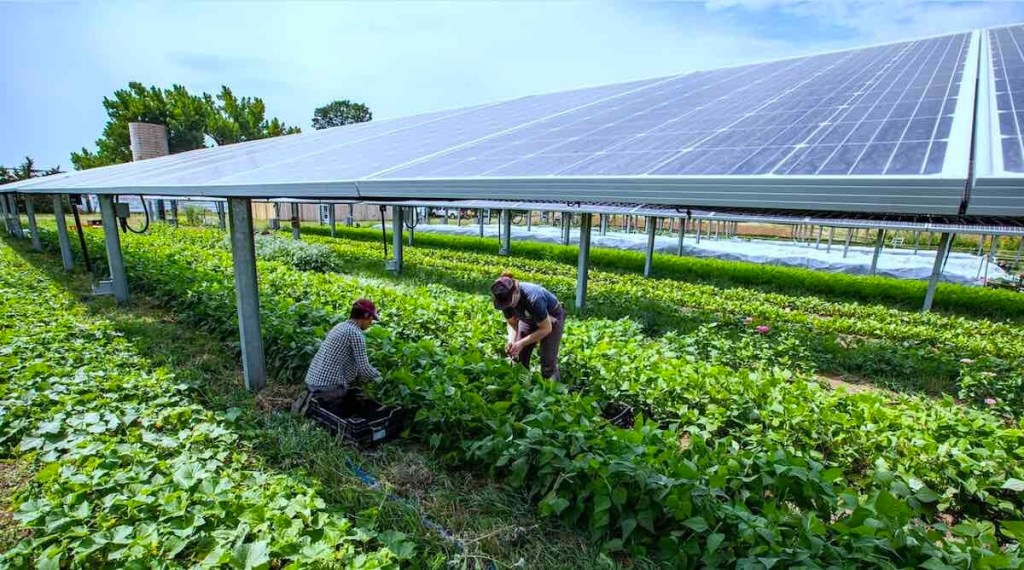
In today’s rapidly evolving energy landscape, renewable sources are no longer just a choice—they’re a necessity. Among the most innovative solutions gaining momentum worldwide are the Solar Park and the solar tree. These technologies are redefining how we generate, distribute, and even interact with clean energy, offering sustainable alternatives to traditional power grids while contributing to a greener planet.
A Solar Park is essentially a large-scale solar power facility designed to generate electricity efficiently for commercial and residential use. Unlike residential rooftop solar panels, which cater to individual households, a Solar Park can span hundreds of acres, producing enough energy to power entire communities or industrial complexes. The sheer scale of these installations allows for optimized solar energy collection, cost reduction, and significant contributions to a region’s renewable energy portfolio. Governments and private investors are increasingly investing in Solar Parks as they offer both environmental and economic benefits, including job creation in solar panel manufacturing, installation, and maintenance.
One of the most exciting innovations within these parks is the solar tree. Imagine a structure shaped like a tree, with photovoltaic panels as “leaves” that capture sunlight. These solar tree are not just visually appealing; they are practical, space-saving solutions that can generate electricity even in areas where traditional solar panels might not fit. Solar trees can be installed in urban areas, parks, university campuses, or parking lots, making renewable energy accessible in unexpected places. Their vertical design reduces land use while still producing substantial power, offering a brilliant example of how technology can blend seamlessly with nature.
The integration of solar trees in public spaces has additional social benefits. They can serve as community landmarks, offering shaded seating, charging stations for electric vehicles, or even lighting for public spaces. This multifunctional approach helps normalize renewable energy, making it more visible and relatable to everyday life. When people see energy being generated right above their heads while they enjoy a park or walk through a city square, it fosters awareness and encourages adoption of cleaner energy practices.
Moreover, the environmental impact of Solar Parks and solar trees cannot be overstated. By reducing reliance on fossil fuels, these systems decrease greenhouse gas emissions and help combat climate change. A single Solar Park can offset thousands of tons of CO2 annually, while numerous solar trees scattered throughout urban areas collectively contribute to cleaner air and reduced carbon footprints. These installations also demonstrate a proactive commitment to sustainability, inspiring communities, businesses, and governments to embrace renewable energy solutions.
Economically, Solar Parks offer long-term benefits that extend beyond environmental conservation. They create jobs, boost local economies, and can stabilize energy costs over time. The upfront investment may seem significant, but the return on investment comes through reduced energy bills, incentives, and a resilient, future-proof energy infrastructure. Meanwhile, solar trees, with their smaller footprint and versatility, offer businesses and municipalities an affordable way to adopt solar energy without the need for large-scale land acquisition or extensive construction.
The future of energy lies in blending efficiency with creativity, and this is where Solar Parks and solar trees shine. As more people recognize the advantages of renewable energy, from reducing pollution to supporting local economies, these technologies will likely become a common sight. They embody the potential of innovation to create solutions that are not only functional but also aesthetically pleasing and socially beneficial.
In conclusion, the rise of the Solar Park and the solar tree represents a pivotal shift in how we approach energy production and sustainability. From large-scale solar farms powering entire cities to elegant solar trees providing energy in urban parks, the possibilities are inspiring. By embracing these technologies, societies around the world can move closer to a cleaner, greener, and more sustainable future. Whether it’s the impressive expanse of a Solar Park or the charming practicality of a solar tree, the message is clear: renewable energy is not just the future—it’s happening now.


Leave a Reply