Serving Up Quality: Choosing the Right Tennis Court Manufacturer for Your Dream Court
Tennis isn’t just a sport – it’s a lifestyle. Whether you’re a club owner looking to upgrade your facilities, a school planning to add sports infrastructure, or a homeowner dreaming of a private court, one thing remains the same: the quality of your tennis court matters. And that quality starts with choosing the right tennis court manufacturer.
In today’s world, tennis courts aren’t just flat surfaces with painted lines. They’re carefully engineered spaces designed for performance, safety, and longevity. From the materials used to the construction techniques applied, every detail plays a role in how the court feels under your feet and how the ball bounces during play. That’s why working with an experienced and reputable manufacturer can make all the difference.
Why the Right Manufacturer Matters
Think of a tennis court like a fine-tuned instrument. If it’s built well, it plays beautifully – giving players the perfect combination of speed, bounce, and grip. But if it’s poorly made, it can quickly lead to frustration, injuries, and costly repairs.
A professional tennis court manufacturer understands the science behind the game. They know how different surfaces – like clay, grass, or synthetic hard courts – impact play. They can also guide you on the right court dimensions, drainage systems, and weather-resistant coatings that will keep your court in top condition for years.
Types of Tennis Courts and Their Benefits
When working with a manufacturer, one of the first decisions you’ll make is the type of surface. Here’s a quick breakdown:
- Clay Courts – Softer on the joints and slower ball speed, ideal for strategic play.
- Grass Courts – Classic Wimbledon style, known for speed and elegance, but requires more maintenance.
- Hard Courts – Durable, low-maintenance, and suitable for most climates, making them a favourite for public facilities and private homes.
- Synthetic Courts – Modern materials that mimic natural surfaces while being weather-resistant and easy to maintain.
A skilled tennis court manufacturer can create any of these surfaces and tailor them to your exact needs.
Key Qualities to Look for in a Tennis Court Manufacturer
- Experience and Expertise – Check how long they’ve been in the industry and the types of projects they’ve handled.
- Material Quality – Superior materials mean longer-lasting courts with consistent performance.
- Customisation Options – Every client has unique needs, so flexibility in design and materials is a must.
- After-Sales Support – Courts need upkeep. A good manufacturer will also offer maintenance and repair services.
- Client Testimonials – Reviews and references can give you real insight into their reliability and craftsmanship.
The Process: From Planning to Play
A trusted tennis court manufacturer won’t just build your court – they’ll partner with you through the entire process:
- Consultation – Understanding your vision, space, and budget.
- Design – Creating a tailored plan, including layout, surface type, and colour schemes.
- Construction – Using precise engineering to ensure the court meets professional standards.
- Finishing Touches – Adding lines, net posts, and any custom branding.
- Maintenance Guidance – Offering tips and services to keep your court looking and playing like new.
Eco-Friendly Innovations in Court Manufacturing
The sports industry is also embracing sustainability. Many modern manufacturers now use eco-friendly materials, energy-efficient construction techniques, and water-saving technologies. If sustainability matters to you, look for a tennis court manufacturer that shares your commitment to the environment.
Final Thoughts: Make Your Game Shine
A tennis court is more than just a place to play – it’s an investment in quality of life, fitness, and community. Choosing the right tennis court manufacturer ensures that every match played is safe, enjoyable, and on a surface that performs at the highest level.
So whether you’re aiming to host tournaments, create a neighbourhood sports hub, or simply enjoy weekend matches with friends and family, start your journey with a manufacturer who understands your goals and delivers excellence from the ground up.When it comes to tennis, the surface you play on can make all the difference between a good game and a great one. Whether you’re a casual weekend player or a seasoned pro, the right Tennis Court Flooring not only impacts performance but also plays a huge role in comfort, safety, and durability. Think of it as the stage for every serve, volley, and match point – it’s the foundation that supports your game.
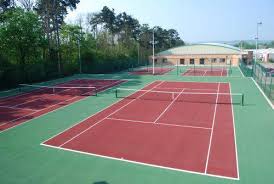
Why Flooring Matters in Tennis
Imagine trying to sprint, slide, or pivot on a surface that’s too slippery or too hard. You’d not only struggle to perform your best, but you might also risk injury. Good tennis court flooring ensures:
- Consistent Bounce – So you can rely on the ball’s reaction every time.
- Shock Absorption – Protecting your knees and joints during intense rallies.
- Weather Resistance – Especially important for outdoor courts exposed to sun, rain, and wind.
- Long-Lasting Performance – A court that stands the test of time means less maintenance and more play.
Popular Types of Tennis Court Surfaces
Not all tennis courts are created equal. In fact, the surface type influences how fast or slow the game feels. Here are the most common options:
- Hard Courts
Made from asphalt or concrete with an acrylic coating, hard courts offer a balanced bounce and are common in public parks and professional tournaments like the US Open. They’re durable but can be tough on the joints. - Clay Courts
Famous for their reddish-brown color, clay courts slow down the ball and produce a higher bounce. This makes for longer rallies – great for strategic players. The French Open is played on clay. - Grass Courts
The fastest surface of them all, grass courts are rare due to high maintenance needs. They’re soft on the body but require frequent mowing and care. Wimbledon is the most famous grass court event. - Synthetic Turf and Acrylic Cushioned Courts
These are modern options designed to give a consistent bounce while being gentler on the body. Perfect for clubs, schools, and community centers.
Indoor vs. Outdoor Considerations
- Outdoor courts need weather-resistant materials that can handle rain, UV rays, and temperature changes.
- Indoor courts have more flexibility since they don’t face the same weather challenges, but lighting, ventilation, and space layout are key.
Choosing the right flooring depends on whether you’re playing year-round indoors or braving the elements outdoors.
Maintenance Tips for Long-Lasting Performance
A well-maintained tennis court can last for years without major repairs. Here are some easy tips:
- Regular Cleaning – Sweep away debris to avoid surface damage.
- Repair Cracks Early – Small cracks can expand quickly if left untreated.
- Repaint Lines When Needed – Clear lines mean fair play.
- Resurfacing Every Few Years – Keeps the bounce consistent and the court looking fresh.
Safety and Comfort for Players
The right flooring reduces the risk of slips, trips, and falls. It also helps players feel more confident when moving around the court. A cushioned surface can prevent long-term injuries, making the game more enjoyable for all skill levels.
Eco-Friendly Options
Many modern flooring systems are now made with recycled materials or designed to reduce water usage. These are perfect for clubs or communities aiming for sustainability without sacrificing performance.
Cost Considerations
Prices vary widely depending on material, installation, and location. For example:
- Asphalt or acrylic hard courts are generally more affordable.
- Clay and grass require more maintenance, increasing long-term costs.
- Cushioned or synthetic options may have a higher upfront cost but lower maintenance over time.
It’s best to see the court as an investment – quality flooring means fewer repairs and better playing conditions for years to come.
Final Thoughts
Whether you’re building a private court in your backyard, upgrading a club facility, or managing a school sports program, the choice of flooring matters. It affects not just the quality of play but also player health, maintenance needs, and even the overall vibe of the game.
Great tennis starts from the ground up – quite literally. So, if you’re planning your next court or giving an old one a makeover, take the time to explore your options, talk to experts, and pick the surface that matches your game style and environment. After all, every serve, rally, and match point will feel better when the court beneath your feet is built for performance.


Leave a Reply